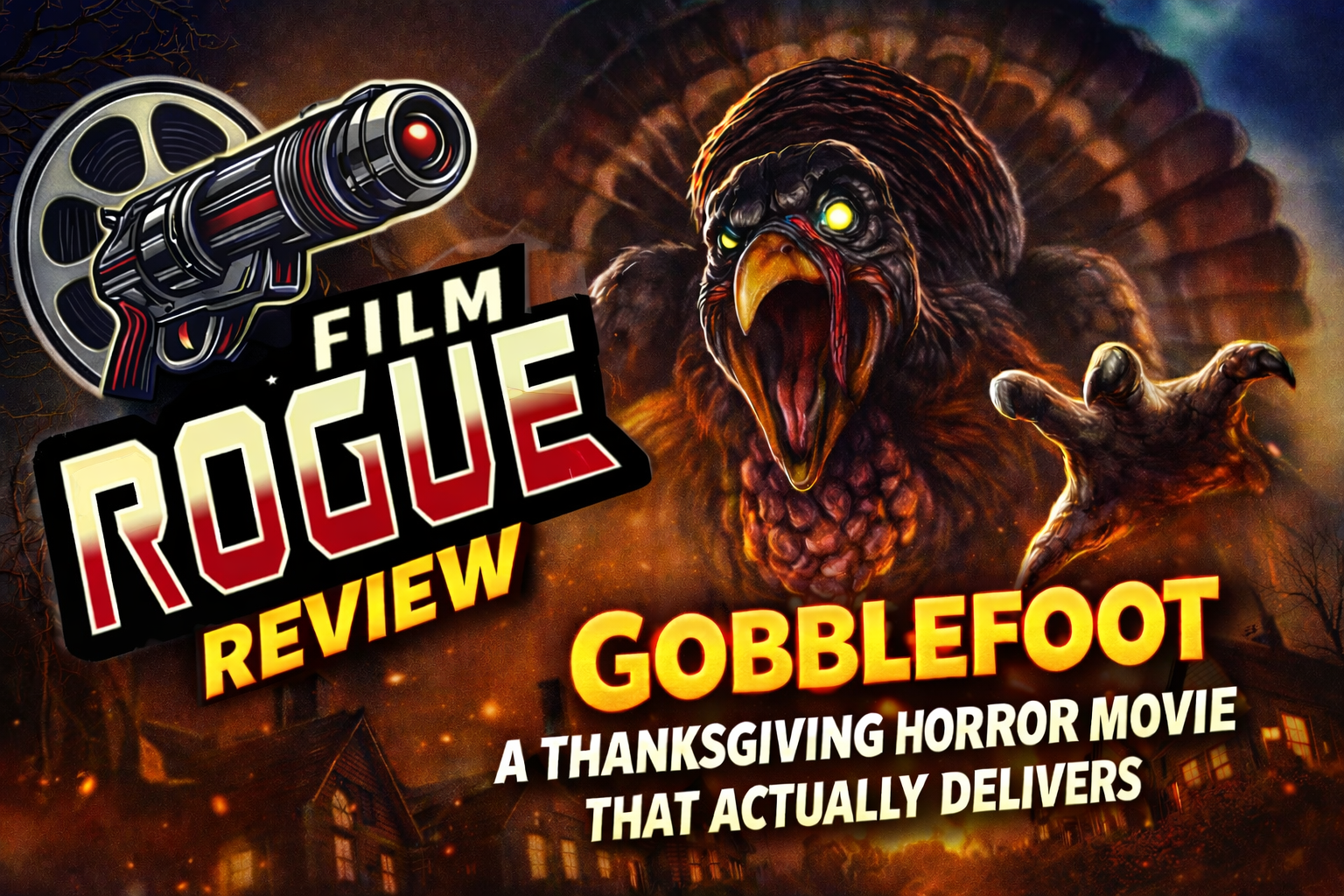
On paper, Gobblefoot sounds like the kind of title designed to be dismissed before anyone even presses play. A half-turkey, half-Bigfoot creature stalking a small town right before Thanksgiving feels tailor-made for internet jokes and drive-by criticism.
And yet, Gobblefoot ends up being far more competent, confident, and thoughtfully constructed than its title would suggest.
Spoiler-Free Summary
As Thanksgiving approaches in the isolated town of Salem’s Bluff, a string of brutal murders points to an old local legend: Gobblefoot, a folkloric hybrid creature said to return when the woods grow cold and the town forgets its past. A folklore professor is pulled into the mystery, uncovering rituals, history, and a creature that is treated less as a novelty and more as a genuine threat.
This is not a wink-at-the-camera parody. Gobblefoot plays its premise straight, leaning into folklore and atmosphere rather than camp.
“at this budget level, that sense of intention is crucial — and it’s present throughout.”
Review
The film’s strongest asset is its mythology. Gobblefoot doesn’t simply drop a silly monster into the woods and hope the novelty carries it. There is clear effort put into the creature’s lore, its rules, and its connection to the town’s history. That commitment grounds the premise and gives the story a sense of purpose beyond the gimmick.
Director Matt Jaissle approaches the material with restraint and confidence. The film never feels embarrassed by its concept, which goes a long way in selling the world it inhabits. Especially at this budget level, that sense of intention is crucial — and it’s present throughout.
Visually, the film benefits greatly from its on-location shooting. The wooded environments, abandoned interiors, and rural backroads create a strong sense of place. The natural scenery gives the film a moody, autumnal atmosphere that fits the Thanksgiving setting and helps elevate the production beyond its limitations.
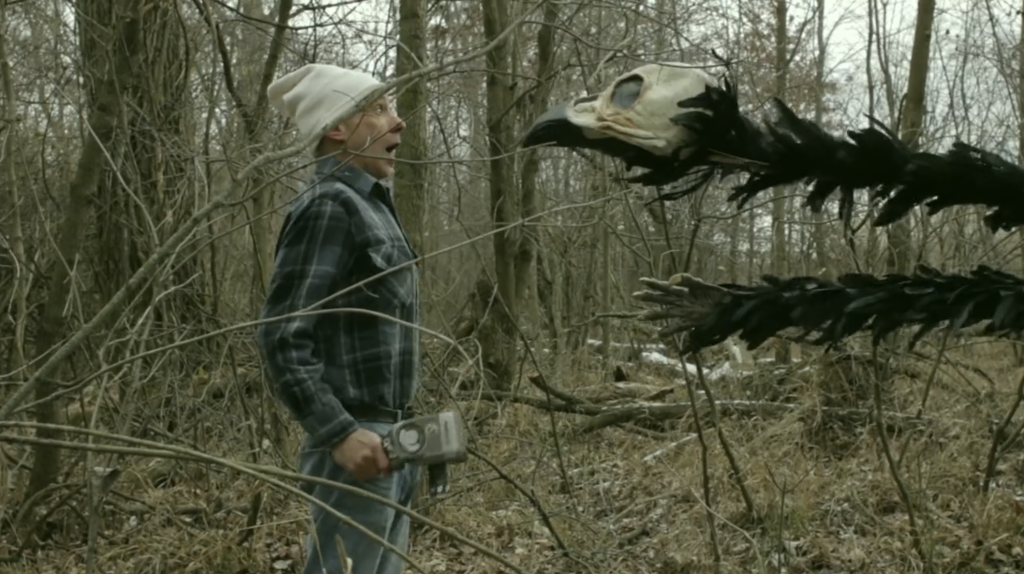
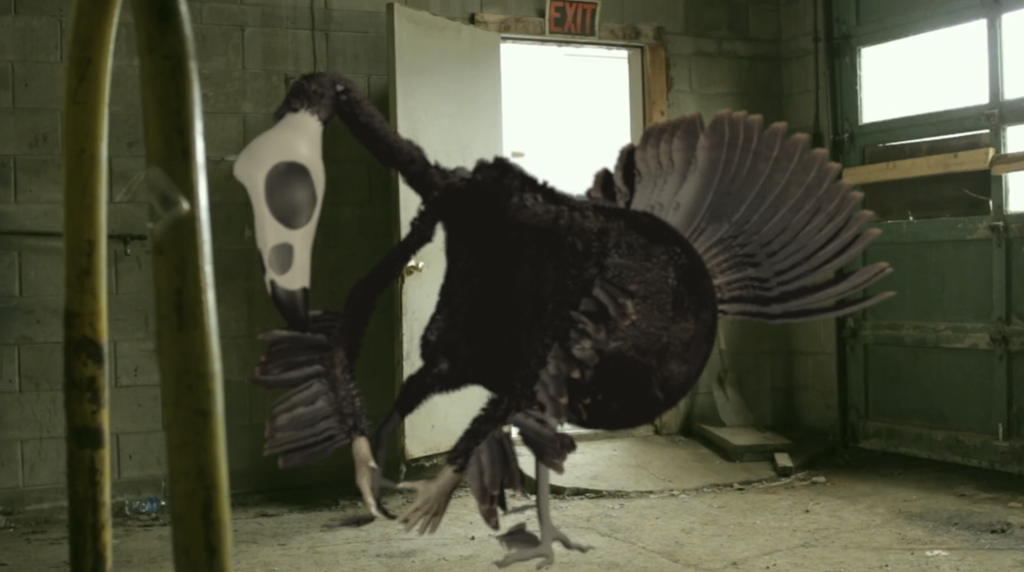
“The Gobblefoot design is imaginative and memorable, but there are moments where showing less might have been more
Where the film occasionally stumbles is in how much of the creature it chooses to reveal. The Gobblefoot design is imaginative and memorable, but there are moments where showing less might have been more effective. Strategic close-ups, shadows, or partial reveals could have helped hide some of the micro-budget seams that become visible during full reveals.
“A confident micro-budget creature feature with genuine lore, strong atmosphere, and ambition that outweighs its technical shortcomings.”
Final Verdict
Gobblefoot is the kind of film that will be unfairly judged by its title alone. It won’t convince viewers who refuse to engage with micro-budget creature features, but for those willing to give it a chance, there is far more here than expected.
It’s rough around the edges, but it’s earnest, imaginative, and clearly made by filmmakers who care about folklore-driven horror. While not without flaws, Gobblefoot delivers a surprisingly solid holiday creature feature that earns its place among indie genre curiosities.
The Review
Gobblefoot (2025)
3.2Score
GOBBLEFOOT (2025) - A confident micro-budget creature feature with genuine lore, strong atmosphere, and ambition that outweighs its technical shortcomings.
PROS
Lore
Unique Creature
Cinematography
CONS
Sound
See Too Much of the Creature
Editing Could Use Finessing
Review Breakdown
Story
Performance
Direction
Cinematography
Payoff
Gobblefoot (2025) DEALS
We collect information from many stores for best price available
Jason’s storytelling roots extend beyond film into publishing as a contributor to The Darkside of Acting Up: A Collection of Plays (Volume One) and The Darkside of Acting Up: Volume Two.
When he’s not making or reviewing movies, he co-hosts Speakeasy Noir Cast with Carly Street—a noir-soaked show that pairs classic Film Noir and Neo-Noir conversations with the mood of a back-alley speakeasy.




 Amazon